
Soot & Cleaning
What Is Soot? What's in It, and Is It Dangerous?
What soot is made of, where it comes from in a home, the health risks, and how to handle it safely.
Soot smears, stains and corrodes when it is cleaned the wrong way. SootMend crews identify the soot type first, then lift it off without pushing it deeper.
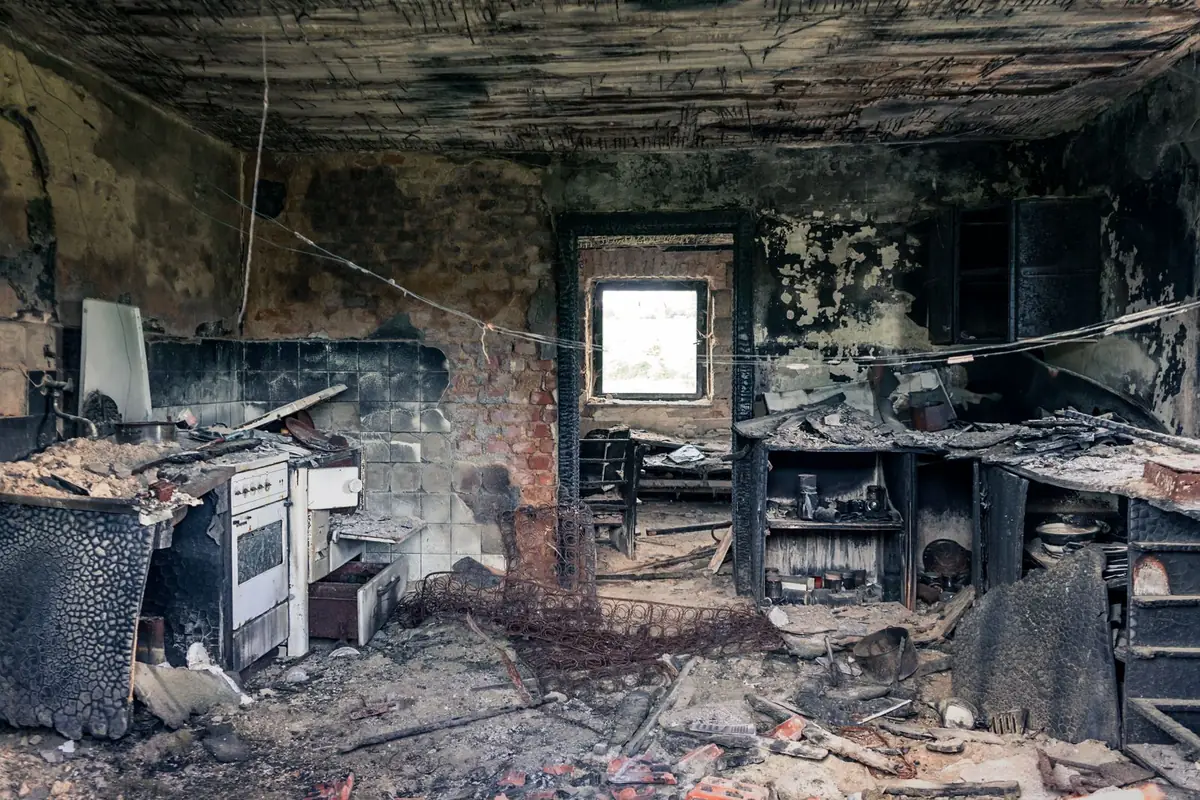
Quick answer: Soot removal cleans the black residue fire leaves on walls, ceilings, cabinets and belongings. The right method depends on the soot: dry soot comes off with HEPA vacuums and dry chemical sponges, while oily, wet and protein residue needs degreasers. Testing first matters, because the wrong cleaner smears soot deeper into paint.
| Soot type | Usual source | Feel | Method |
|---|---|---|---|
| Dry soot | Hot, fast fires: wood, paper | Powdery, wipes off dry | HEPA vacuum, dry chemical sponge, light wet wash |
| Wet (oily) soot | Smoldering plastics, rubber, foam | Sticky, smears | Degreasers, several passes, no dry sponge |
| Protein residue | Burned food | Thin yellow film, strong smell | Enzyme or alkaline cleaners, then deodorizing |
| Fuel-oil soot | Oil furnace puff-back | Black, oily, everywhere | Solvent cleaners, duct cleaning, contents cleaning |
| Candle or fireplace soot | Candles, fireplaces, wood stoves | Gray-black streaks, often near ceilings | Dry sponge, then mild detergent |
Soot is acidic. Left in place it keeps reacting with what it touches: it pits chrome and brass, etches window glass, yellows plastics and white appliances, and stains grout and porous stone. The longer it sits, the more items move from "clean" to "replace". The U.S. Fire Administration notes that items that did not burn may still be ruined by smoke or water, and that anything you want to keep needs careful cleaning.
A puff-back happens when an oil furnace or boiler misfires and blows oily soot through the ducts. It can coat every room in a fine black film in seconds. Heating equipment is a leading cause of home fires, according to the NFPA, and these fires peak in cold months. Puff-back cleanup needs the furnace serviced first, then whole-house soot removal, duct cleaning and contents cleaning. Fuel-oil soot smears badly with water, so testing is essential.
A little candle soot on one wall can be cleaned with a dry sponge and a mild detergent. The American Red Cross suggests rubber gloves and a mild soap or detergent for walls, furniture and floors. Call a professional when soot covers more than one room, when it smears, when it came from a puff-back, or when it got into the HVAC system.
Photograph soot before cleaning, including inside cabinets and closets, and on the HVAC filter. Soot cleanup after a sudden fire or puff-back is usually part of a homeowners claim, but check your policy and talk with your insurer before large jobs.
Soot is the fine black or brown residue left when something burns without enough oxygen. It is mostly carbon, mixed with tars, oils and other chemicals from whatever burned, such as wood, plastic, food or fuel oil.
Wiping with a wet cloth or rubbing too hard pushes fine particles into paint and texture and spreads oily residue. Professionals vacuum loose soot with a HEPA vacuum and use dry chemical sponges first, then wet-clean only if testing shows the surface can take it.
Soot particles are small enough to irritate eyes, skin and lungs, and residue from burned plastics and building materials can contain harmful chemicals. The U.S. Fire Administration warns that soot and dirty water after a fire may contain harmful substances. Wear gloves and a mask, and keep children and pets away.
It is a vulcanized rubber sponge, also called a soot sponge, that lifts dry soot off walls and ceilings without water. It is wiped in one direction and is not rinsed. It works best on dry, powdery residue, not on oily or greasy soot.
Not until it is cleaned. Paint over soot will not stick well and stains bleed through. After cleaning, surfaces are sealed with a stain- and odor-blocking primer, then painted.
Smoke residue cleaned from walls, ceilings, ducts and fixtures before it stains and corrodes.
Smoke smell traced to its source, then treated with thermal fogging, hydroxyl or ozone.
Belongings inventoried, packed out, cleaned and stored while the home is restored.
Soot & Cleaning
What soot is made of, where it comes from in a home, the health risks, and how to handle it safely.
Soot & Cleaning
A step-by-step method for removing soot and smoke stains from painted walls and ceilings without making them worse.
Smoke & Odor
The signs and types of smoke damage, how it differs from fire damage, and what insurers look for in a claim.
Last reviewed November 19, 2026 by SootMend Editorial. General information, not legal, insurance or professional advice. Read our editorial policy.
Fire or smoke damage at your property?
Call SootMend 24/7 to get board-up, soot cleanup and smoke odor removal started.
Call 1-800-555-0199