
Restoration Basics
The Fire Damage Restoration Process, Step by Step
Each step of fire damage restoration in order, what happens at each one, and how long the whole process usually takes.
A fire at a business stops the income as well as the building. SootMend crews secure the site, clean smoke and soot, and plan the work to get you open again sooner.
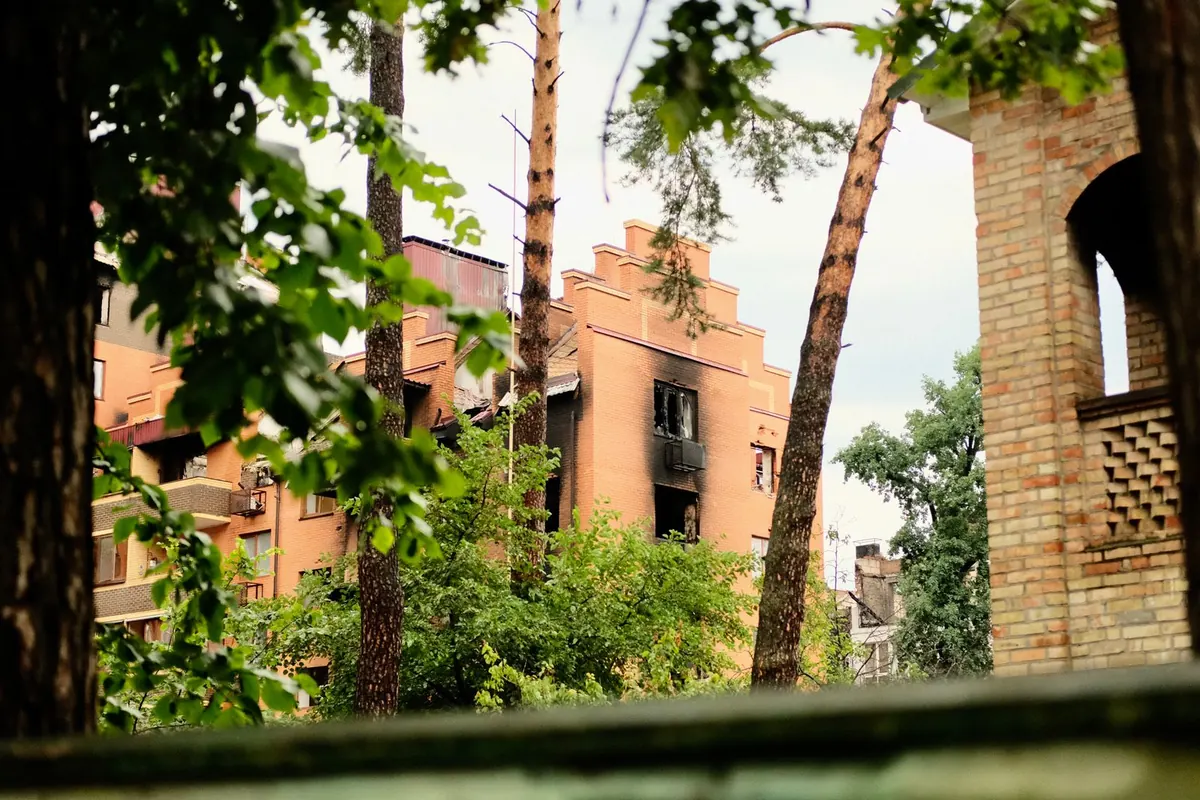
Quick answer: Commercial fire damage restoration secures, cleans and rebuilds offices, stores, restaurants, rental buildings and warehouses after a fire. It covers board-up, water removal, soot and smoke cleaning, HVAC and odor work, contents and inventory, and repairs, planned around reopening. Smoke often damages far more floor space than the fire did, so fast cleaning limits losses.
| Property | Typical fire | Main concerns |
|---|---|---|
| Restaurants | Cooking and grease fires | Protein and grease residue, hood ducts, health inspection |
| Apartments and rentals | Unit fire, smoke in halls | Tenant access, other units, shared ventilation |
| Retail stores | Electrical or arson | Inventory, smoke in merchandise, storefront security |
| Offices | Electrical, server room | Electronics, records, ceiling plenums |
| Warehouses and industrial | Equipment or stored materials | High ceilings, large areas, special residues |
Cooking is the leading cause of fires in homes, according to the NFPA, and grease fires are just as common in commercial kitchens. They leave heavy grease and protein residue on hoods, ducts, walls and ceilings, and in walk-in coolers. Food and packaging exposed to smoke must be discarded. Restaurants also need the hood system cleaned and, in most places, inspected before reopening.
Commercial losses often have three parts: the building, the contents and the lost income. Business interruption coverage, if your policy includes it, may pay lost profits and continuing expenses while you are closed. Fast restoration shortens that period, and detailed documentation, such as moisture logs, photos and inventories, supports every part of the claim.
A fire in one apartment can push smoke into halls, stairwells and neighboring units through shared walls and ventilation. Owners and managers need a plan for tenant access, temporary relocation and communication. Each tenant's renters policy covers their belongings and extra living costs. The building's policy covers the structure and common areas.
Keep a current list of equipment and inventory, a copy of your insurance policies off site, and emergency contacts for staff and tenants. Know where your utility shut-offs are. After a fire, the U.S. Fire Administration's advice for homes applies to businesses too: contact your insurer right away, keep every receipt and secure the property so no one can enter.
If you own or manage homes as well as commercial space, our board-up and roof tarping and smoke damage restoration pages explain those services in detail.
It depends on how much of the building burned and whether the fire marshal, building department and, for restaurants, health inspectors must sign off. A small kitchen fire may mean days; a fire that damaged structure and systems can mean months. Phased work can reopen undamaged areas first.
Often, if fire officials and the building department allow it. Crews isolate work areas with containment and negative air, run HEPA air scrubbers and schedule noisy or dusty work after hours where possible.
Usually the property insurance of whoever owns the damaged part: the building owner's policy for the structure and the tenant's policy for their contents and improvements. Business interruption coverage, if you have it, may pay lost income while you are closed.
The owner handles the building, and each tenant's renters policy covers their own belongings and extra living costs. Landlords should secure the building, document the damage and keep tenants informed about access and timelines.
Often. Older commercial buildings may contain asbestos in flooring, ceiling tile or pipe insulation, and federal and state rules apply to renovation and demolition in many commercial buildings. Testing comes before tear-out.
Broken windows, doors and roof holes covered to keep out rain, animals and intruders.
Smoke residue cleaned from walls, ceilings, ducts and fixtures before it stains and corrodes.
Belongings inventoried, packed out, cleaned and stored while the home is restored.
Restoration Basics
Each step of fire damage restoration in order, what happens at each one, and how long the whole process usually takes.
Restoration Basics
The factors that raise or lower the cost of fire damage restoration, how estimates are written, and how insurance pays.
Insurance & Claims
How to prepare for the adjuster's visit, what to document and say, and what to do if the estimate comes in low.
Last reviewed November 19, 2026 by SootMend Editorial. General information, not legal, insurance or professional advice. Read our editorial policy.
Fire or smoke damage at your property?
Call SootMend 24/7 to get board-up, soot cleanup and smoke odor removal started.
Call 1-800-555-0199