
Smoke & Odor
How to Get Smoke Smell Out of Clothes (and What to Throw Away)
How to wash smoke and soot out of clothing, bedding and shoes, and which smoke-damaged items to throw away.
Many of your belongings can be saved after a fire. A pack-out moves them out of the house, gets them cleaned and stored, and brings them back when the home is ready.
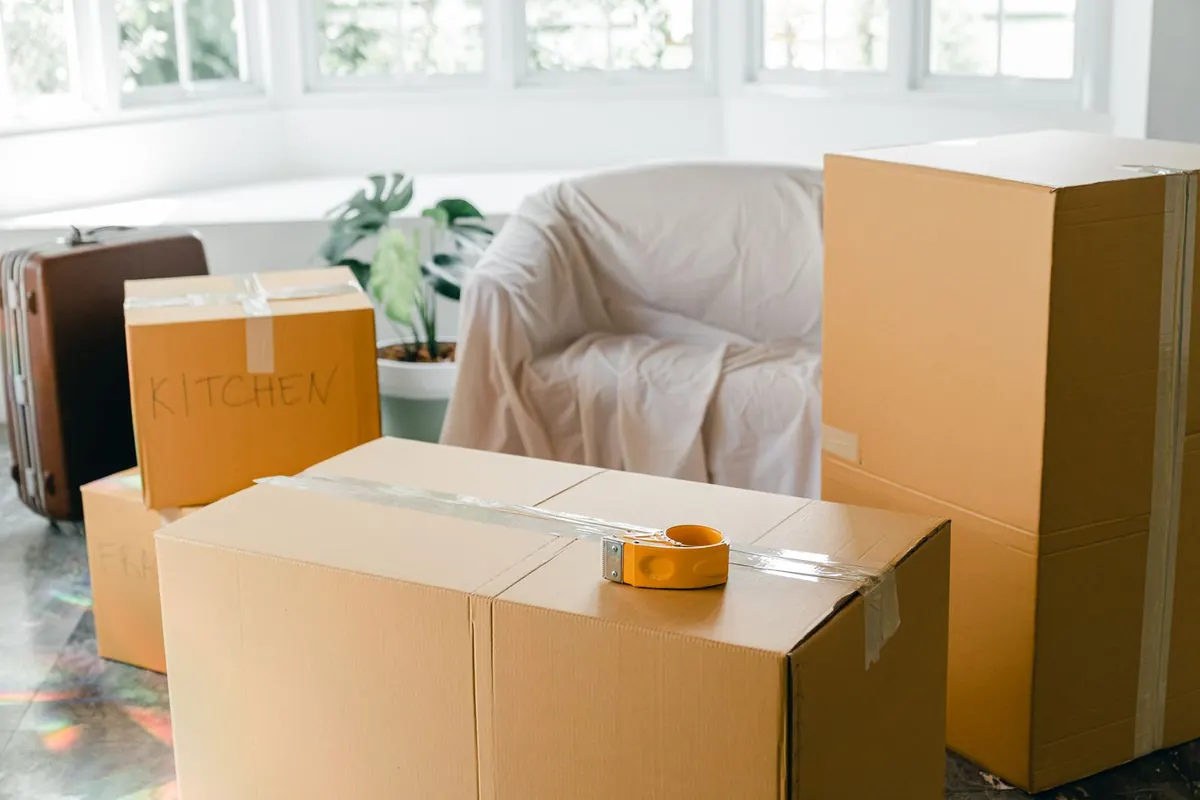
Quick answer: Contents cleaning restores belongings damaged by smoke, soot and water after a fire. In a pack-out, a crew inventories and photographs each item, packs it, cleans it with methods such as ultrasonic baths, dry cleaning and ozone rooms, stores it during repairs, then brings it back. Cleaning often costs less than replacing.
| Item | Usual method | Often saved? |
|---|---|---|
| Dishes, glass, metal, hard plastic | Ultrasonic cleaning or hand washing | Yes, unless heat-warped |
| Washable clothing and linens | Specialized laundering with odor treatment | Often |
| Dry-clean-only clothing | Dry cleaning with smoke odor treatment | Often |
| Wood furniture | Hand cleaning, odor treatment, touch-up | Often |
| Upholstered furniture, mattresses | Cleaning plus ozone room | Sometimes |
| Electronics | Specialist cleaning and testing | Sometimes |
| Food, medicine, cosmetics | Not cleaned | No, thrown away |
Belongings left in a house under repair pick up drywall dust and new soot, and get moved from room to room. Packing out protects them, gives crews open rooms to clean and rebuild, and lets each item be cleaned with equipment that only works in a facility, such as ultrasonic tanks and ozone rooms. Small jobs, such as cleaning one room after a kitchen fire, can often be done on site.
Smoke odor clings to fabric, but many fabrics come clean. The American Red Cross notes that smoke odor and soot can sometimes be washed from clothing that can be bleached, and suggests testing garments before using any treatment. Professional cleaners add odor treatment and can handle dry-clean-only items, wool, leather and drapes.
The American Red Cross advises discarding food exposed to heat, smoke or soot. The same goes for medicine and cosmetics. Do not throw anything away before it is photographed and listed, because your insurer may need proof of what was lost. The U.S. Fire Administration notes that items that did not burn may still be ruined by smoke or water.
You can wash dishes and machine-washable clothing from a light smoke event yourself. Call a professional for whole-house smoke or soot, heavy odor, upholstered furniture, electronics, important papers, or when you need a detailed inventory for an insurance claim.
Personal property coverage pays for belongings damaged in a covered fire. Keep the pack-out inventory, photos and cleaning invoices together. If you made a home inventory before the fire, share it with your adjuster. If you did not, list what you can by room. Renters have contents coverage only if they bought a renters policy.
A pack-out is when a restoration crew inventories, photographs, packs and moves your belongings out of the fire-damaged home. Items are cleaned at a facility or on site, stored safely during repairs, and brought back in a pack-back when the home is finished.
Many hard items clean well: dishes, glassware, metal, many hard plastics, finished wood furniture, and most washable clothing and linens. Items in the burned room, porous items soaked by firefighting water, and anything heat-warped are often not worth saving.
Food, drinks, medicine and cosmetics exposed to heat, smoke or soot should be thrown away, even if they look fine. Mattresses and pillows with heavy smoke odor, and stuffed toys that cannot be laundered, are usually replaced. Photograph items before you throw them away.
The personal property part of most homeowners and renters policies covers belongings damaged by a covered fire, including cleaning when cleaning costs less than replacing. Keep the inventory list and photos, and ask your adjuster how they want contents handled.
Usually until repairs are finished, which can be a few weeks after a small fire or several months after a large one. Items are stored in labeled boxes tied to the inventory so they come back to the right rooms.
Smoke smell traced to its source, then treated with thermal fogging, hydroxyl or ozone.
Dry, wet, protein and fuel-oil soot cleaned with the method each one needs.
Smoke residue cleaned from walls, ceilings, ducts and fixtures before it stains and corrodes.
Smoke & Odor
How to wash smoke and soot out of clothing, bedding and shoes, and which smoke-damaged items to throw away.
Insurance & Claims
What renters insurance pays after a fire or smoke damage, what your landlord's policy covers, and how tenants file a claim.
First Steps
A step-by-step checklist for the first 24 hours and first week after a house fire, from safety to insurance and cleanup.
Last reviewed November 19, 2026 by SootMend Editorial. General information, not legal, insurance or professional advice. Read our editorial policy.
Fire or smoke damage at your property?
Call SootMend 24/7 to get board-up, soot cleanup and smoke odor removal started.
Call 1-800-555-0199