
Fire Damage Restoration Across the U.S.
Kitchen fire, electrical fire, furnace puff-back or a house that burned? Call SootMend 24/7 and a fire restoration crew secures the property, cleans soot and smoke, and rebuilds.
- 24/7 fire damage calls
- 10+ years in business
- Homes, rentals and businesses
- All 50 states + DC
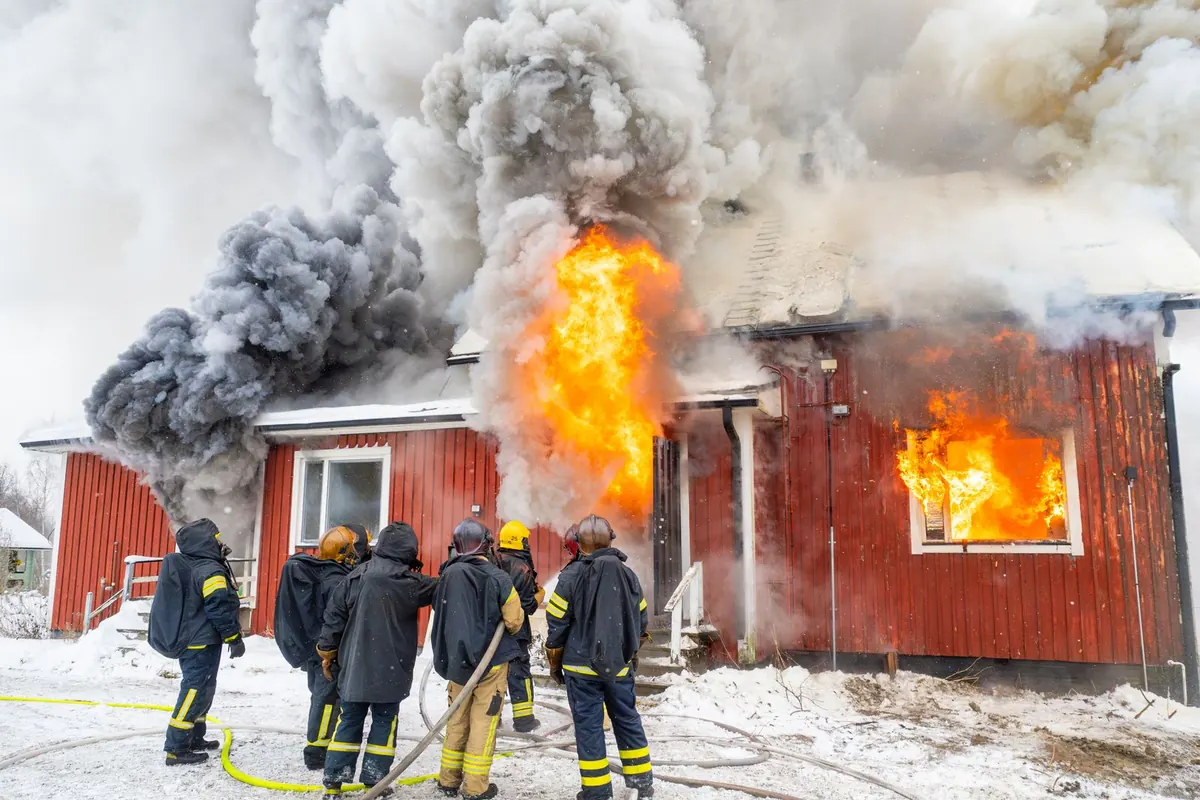
Quick answer: Fire damage restoration secures a burned property, removes debris and firefighting water, cleans soot and smoke from every surface, removes the odor and rebuilds what burned. With SootMend, one call to 1-800-555-0199, answered 24/7, starts the work anywhere in the U.S. Soot keeps causing damage, so the first days matter.
Fire damage restoration services
A fire leaves three kinds of damage behind: heat and flames, smoke and soot, and water from the fire hoses. Each needs its own work. These are the services a SootMend crew can handle on one job.
Fire damage cleanup
Debris out, water from fire hoses removed, and burned materials torn out so restoration can start.
Smoke damage restoration
Smoke residue cleaned from walls, ceilings, ducts and fixtures before it stains and corrodes.
Soot removal
Dry, wet, protein and fuel-oil soot cleaned with the method each one needs.
Smoke odor removal
Smoke smell traced to its source, then treated with thermal fogging, hydroxyl or ozone.
Board-up and roof tarping
Broken windows, doors and roof holes covered to keep out rain, animals and intruders.
Contents cleaning and pack-out
Belongings inventoried, packed out, cleaned and stored while the home is restored.
Fire damage repair
Burned framing, drywall, roofing, wiring and finishes rebuilt to code.
Commercial fire damage restoration
Fire, smoke and soot cleanup for offices, stores, restaurants, rentals and warehouses.
One call for fire damage restoration, nationwide
SootMend has been in business for 10+ years with one focus: getting fire, smoke and soot damage cleaned up and repaired. Here is what happens after you call.
- Call 1-800-555-0199, any hour. Give the address and ZIP code, which rooms burned, and whether the fire department has released the property.
- A crew inspects and documents. They check the structure and utilities, test surfaces and write a scope you can share with your insurance adjuster.
- The property is secured. Openings are boarded, roof holes are tarped and firefighting water is pumped out and dried.
- Cleanup and rebuild follow. Soot and smoke are cleaned, odor is treated, belongings are cleaned or packed out, and burned materials are rebuilt.
What a house fire leaves behind
Most of the damage after a fire is not where the flames were. Smoke travels through the whole house, and soot settles on walls, ceilings, ducts and belongings far from the burned room.
That is why a fire job is more than a repair job. Smoke damage restoration and soot removal often cover far more square feet than the burned area, and water from firefighting needs drying before mold starts.
The fire damage restoration process
Every job follows the same order, though small fires may skip steps. Crews work to the methods in the ANSI/IICRC S700 standard for fire and smoke damage restoration, first published in 2025.
- Inspect and test each surface to choose dry or wet cleaning.
- Secure openings with plywood and tarps.
- Remove water and debris, then dry the structure.
- Clean soot and smoke from structure, HVAC ducts and contents.
- Deodorize what cleaning alone cannot fix.
- Rebuild drywall, framing, roofing, floors and paint.
See how a call to SootMend works, or read the full fire damage restoration process guide for each step and its timeline.
Where SootMend works
SootMend takes fire damage calls from all 50 states and Washington, DC, from big cities such as Denver, Los Angeles, Houston, Dallas, Chicago, Seattle, Kansas City and Charlotte to Nashville and small towns. Risks change by region. Western states see wildfire smoke and ash. Cold states see more heating fires in winter; the NFPA lists heating equipment as the second leading cause of home fires. Cooking is the first.
What affects the cost of fire damage restoration
No honest company can price a fire job before seeing it. These are the factors that move the number:
- Size and spread: how many rooms the smoke reached, not only the burned area.
- Type of soot: dry, powdery soot cleans faster than oily, wet or protein residue.
- Water damage: how much water firefighters used and how long it sat.
- Materials: what can be cleaned versus what must be torn out and replaced.
- Contents: how many belongings need pack-out, cleaning and storage.
- Testing and code: lead or asbestos testing in older homes, permits and code upgrades during rebuilding.
Ask for a written estimate and share it with your adjuster before major work starts. Our guide to fire damage restoration cost explains how to read one.
Signs you need professional fire damage cleanup
- Black or brown film on walls or ceilings, even in rooms that did not burn.
- A smoke smell that comes back after airing out the house.
- Wet carpet, drywall or insulation from fire hoses.
- Soot around vents or registers, which means it went through the HVAC system.
- Yellowed plastics, pitted metal fixtures or etched glass.
- Any burned framing, roofing or wiring.
After the fire: first steps
Stay out until fire officials say the building is safe, and leave the power and gas off. The U.S. Fire Administration says to call your insurance company right away and keep every receipt. Ask about additional living expenses (ALE); the NAIC explains that many policies pay extra costs such as a hotel while your home is repaired. Then call 1-800-555-0199 to get board-up and cleanup started. The house fire checklist covers the first week step by step.
Fire damage restoration questions
What is fire damage restoration?
Fire damage restoration is the work of returning a building and its contents to their condition before the fire. It covers securing the property, removing debris and firefighting water, cleaning soot and smoke residue, removing odor, cleaning belongings, and rebuilding what burned.
How soon should fire damage restoration start?
As soon as fire officials release the property. Soot is acidic and keeps staining and corroding surfaces, and wet materials from firefighting can grow mold. The EPA says wet materials dried within 24 to 48 hours usually will not grow mold.
Does homeowners insurance cover fire damage restoration?
Fire is a covered peril in most standard homeowners and renters policies, and many also pay additional living expenses while you cannot live at home. Limits, deductibles and exclusions vary, so report the loss to your insurer right away and read your own policy.
Can I stay in my house after a fire?
Only if fire officials say it is safe and the power, heat and water work. Even then, heavy smoke residue can irritate your lungs and eyes. Many families stay elsewhere until the soot cleanup and odor removal are finished.
How long does fire damage restoration take?
Light smoke damage from a small kitchen fire can take a few days. A fire that burned through rooms can take weeks for cleanup and several months if framing, roofing and wiring must be rebuilt and permits are needed.
Can smoke-damaged belongings be saved?
Many can. Hard items, dishes, furniture and a lot of clothing can be cleaned. Food, medicine and cosmetics exposed to heat, smoke or soot should be thrown away, and some electronics and soft items may cost more to clean than to replace.
Which areas does SootMend serve?
SootMend takes calls from all 50 states and Washington, DC. Call 1-800-555-0199 with your ZIP code, and the job goes to a trained restoration crew that works in your area.
Sources
- U.S. Fire Administration: After the Fire (FA-46)
- American Red Cross: What to Do After a Home Fire
- NFPA: Reporter's Guide, The Consequences of Fire
- EPA: A Brief Guide to Mold, Moisture and Your Home
- NAIC: What Are Additional Living Expenses?
- IICRC: ANSI/IICRC S700 Standard for Fire and Smoke Damage Restoration
Last reviewed November 19, 2026 by SootMend Editorial. General information, not legal, insurance or professional advice. Read our editorial policy.
Fire or smoke damage at your property?
Call SootMend 24/7 to get board-up, soot cleanup and smoke odor removal started.
Call 1-800-555-0199